VastuGuruji VastuGuruji
💧 Water Zone Correction Tool

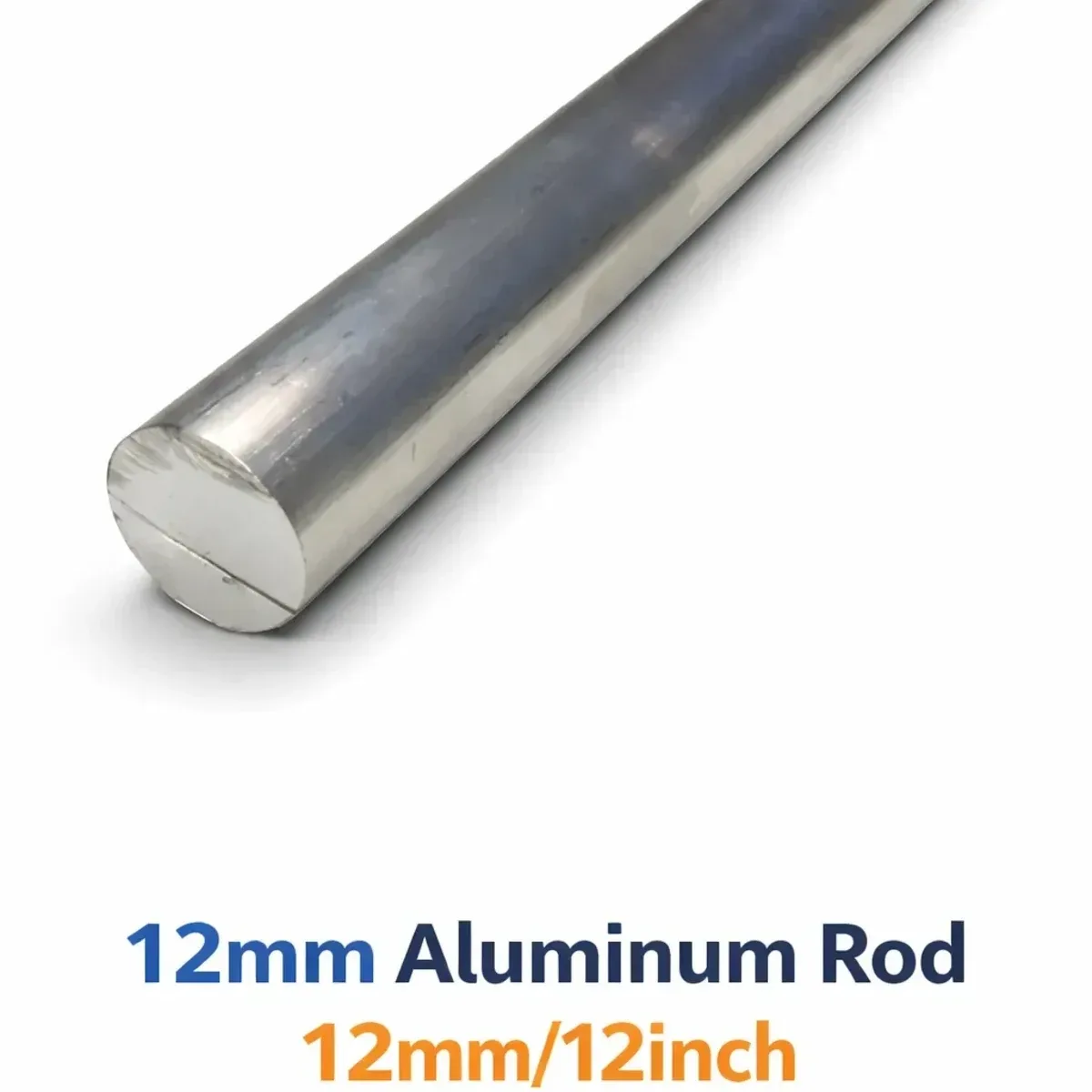
Aluminum Rod 12mm/12inch

A material-specific directional anchor for cashflow rhythm, emotional clarity, relationship harmony — placed on the corrective line, it restores coherent energy flow in Water Zone without any structural change.

Material Aluminum
Zone Water Zone
Diameter 12 mm
Length 12 Inch
₹814.20 ₹1,286.20 37% OFF
Inclusive of all taxes
15 in stock — based on active correction project supply

🔒 Secure checkout via Zwitch • Use only per correction map

  • Material-matched correction logic
  • Project-grade dimensions
  • Non-demolition installation
  • Post-purchase guidance
The Correction Principle

When a Zone's Energy Flows Wrong, Everything in That Area of Life Follows

Every directional zone in a built space governs a specific area of life — career, health, finances, relationships. When a zone's energy flow is disrupted or misaligned, the life areas it governs begin to show recurring resistance: stagnation, missed opportunities, unexplained friction that persists despite external effort.

A metal rod placed precisely along the corrective line creates a stable directional anchor — realigning energy flow without structural change. The metal's elemental affinity with the zone is what makes the correction material-specific. Using the wrong metal in a zone produces no correction, or in some cases interference.

This is not a decorative or ritual object. It is a precision correction component used in structured Vastu implementation plans.

💧

You are correcting: Water Zone

This zone governs:
cashflow rhythm, emotional clarity, relationship harmony

Signs of imbalance in this zone:
Financial stagnation, emotional instability, recurring cash-flow blocks

Prescribed material for this zone: Aluminum

The 5-Element Material System — Which Rod for Which Zone?

Each metal has an elemental affinity that makes it effective for a specific directional zone. Using the correct material is not optional — it is the basis of the correction's effectiveness.

💧
Water Zone
Water Element
Aluminum Rod

cashflow rhythm, emotional clarity, relationship harmony

Your selection
🌬
Air Zone
Air Element
Stainless Steel Rod

social connections, movement clarity, transition control

Switch to Stainless Steel →
🔥
Fire Zone
Fire Element
Copper Rod

execution energy, action speed, career advancement

Switch to Copper →
🌍
Earth Zone
Earth Element
Brass Rod

structural stability, long-term grounding, property security

Switch to Brass →
Space Zone
Space Element
Iron Rod

overall alignment framework, correction anchoring, space clarity

Switch to Iron →

Product Specifications

MaterialAluminum
ZoneWater Zone
ElementWater
Diameter12 mm
Length12 Inch
InstallationSurface-based, non-demolition
ApplicationVirtual entry & directional line correction
SKUaluminum-rod-12mm-12inch

How to Install Virtual Entrance Rods — Step-by-Step

Follow each step precisely. Sequence and accuracy determine the effectiveness of the correction.

Purpose of Virtual Entrance Rods

Virtual Entrance Rods are solid metal rods (1 foot long, 18–22 mm diameter) used to create virtual entrances and to take advantage of positive entrances where a physical entrance is not possible. The rod passes through the wall at floor level, connecting inner and outer floors — energetically opening a directional entry point without structural demolition.

What you need: 16-Zone MahaVastu Grid layout / Remedies App Permanent marker 25mm masonry drill bit White cement Dry & wet cloth

Identify the Entrance Border and Zone

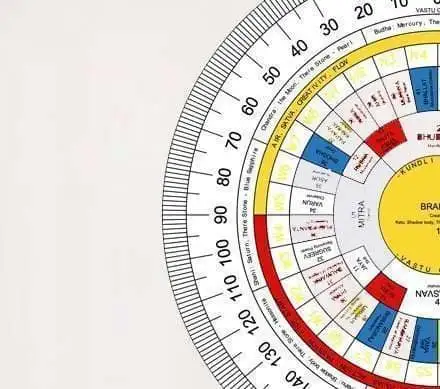
Determine the MahaVastu zone where positive entrances need to be opened. Use the 16-Zone MahaVastu Grid layout or the MahaVastu Remedies App to identify the exact location requiring treatment. Choose the metal rod material as per the zone in which the entrance is coming — each material corresponds to a specific zone element.

Mark the Location

Identify the exact wall and floor junction where the virtual entrance rod will be installed. Use a permanent marker to clearly mark the point for drilling. Accuracy here is critical — the rod must pass through the wall precisely at floor level to connect inner and outer floor surfaces.

Drill the Hole

Use a 25mm drill bit and carefully drill through the wall at floor level, from inside to outside. The hole must be aligned horizontally and pass through the entire wall thickness to allow for full rod insertion. Keep the drill steady and level throughout to maintain alignment.

Insert the Rod — 3 Cases Based on Floor Levels

See the floor-level cases below for the correct insertion method based on your site conditions. The rod must touch the floor on both inner and outer sides regardless of which case applies. Do not leave gaps between the rod end and either floor surface.

Fill the Gap and Final Check

Fill any side gaps in the wall around the rod with white cement. Do not cover the rod itself — only the gaps around it need to be filled. Verify: (1) rod is firmly inserted and stable, (2) rod is touching the floor on both inner and outer sides as per your case, (3) rod is properly aligned with no tilt or misplacement.

Clean the Area

Clean the surrounding floor and wall area using a dry cloth immediately after installation. The following day, wipe with a wet cloth to remove any dust or residue from drilling or handling. Keep the installation area undisturbed for 24 hours after sealing.

Step 4 in Detail — Rod Insertion Based on Floor Levels

The rod must touch the floor on both inner and outer sides. How you achieve this depends on the floor height difference at the installation point.

Case 1

Inside and Outside Floor Levels Are the Same

Insert the metal rod horizontally through the hole in the wall. The rod runs straight through and touches the floor on both the inner and outer sides without any additional components.

Inside ━━━━━━━━━━━ Outside

✅ Simplest case — single straight rod insertion

Case 2

Inside Floor Level is Higher Than Outside

Use two or more rods joined in an L-shape. One rod runs horizontally through the wall. A second rod is placed vertically on the inside, connecting the horizontal rod to the higher inner floor surface. The joint must be secure with no gap between rods.

↕ vertical (inside) horizontal →

⚠ Ensure the L-joint is firmly connected and stable

Case 3

Outside Floor Level is Higher Than Inside

Use two or more rods joined in an L-shape. One rod runs horizontally through the wall. A second rod is placed vertically on the outside, connecting the horizontal rod to the higher outer floor surface. Mirror of Case 2, but on the exterior side.

← horizontal ¬ ↕ vertical (outside)

⚠ Ensure the L-joint is firmly connected and stable

Final Verification Checklist

  • Rod is firmly inserted and stable — no movement
  • Rod is touching the floor on both inner and outer sides (as per your case)
  • Wall gaps around the rod are filled with white cement — rod itself is NOT covered
  • Rod is properly aligned with no tilt or misplacement
  • Area cleaned with dry cloth immediately; wet cloth the following day

⚠ Important Notes

  • Use only authentic VastuGuruji metal rods — generic hardware rods are not material-zone matched
  • Refer to your MahaVastu gridded plan to identify the correct placement zone and material
  • Installation must be done by a trained and skilled person — incorrect placement has no corrective effect
  • In case of doubt, consult a qualified Vastu practitioner before drilling
After installation: The virtual entrance correction activates once the rod is fully seated and the cement sets. Full zone stabilization reflects in the life areas governed by Water Zone (cashflow rhythm, emotional clarity, relationship harmony) over 21–30 days. Monitor these areas and do not disturb the rod position after installation.

Why Not Just Buy a Rod from a Hardware Store?

The difference is not just quality — it is about what makes a correction work.

❌ Generic Hardware Rod
  • No material-zone correspondence — any metal, any zone
  • Inconsistent dimensions — length and diameter vary by batch
  • Not designed for correction line alignment or virtual entry mapping
  • No zone outcome logic — cannot target specific life areas
  • Higher mismatch risk over long-term correction plans
✅ Vastu Correction Rod (This Product)
  • Material selected for zone elemental affinity — correct metal for correct zone
  • Standardized 12mm × 12 inch — consistent dimensions for mapping accuracy
  • Designed for virtual entry correction and directional line placement
  • Each material targets a specific zone and its governed life areas
  • Long-term correction consistency with less drift or mismatch

Read Before Installing

Metal rods produce specific directional corrections — they are not general wellness tools. Without a zone map and practitioner guidance, placement will be approximate at best and counterproductive at worst.

✅ Correct approach

  • Get a correction map from a qualified Vastu practitioner first
  • Use only the material prescribed for your specific zone
  • Measure and mark the corrective line precisely before placing
  • Do not combine materials in the same corrective line
  • Allow 21–30 days and track changes in the relevant life area

❌ What to avoid

  • Installing without a zone map or guidance
  • Using the wrong metal for a zone ("it looks similar")
  • Placing on intuition or "where it feels off"
  • Cutting the rod to a shorter length without guidance
  • Mixing materials within the same correction line

Don't have a correction map yet? Book a Vastu consultation →

Frequently Asked Questions

What is a Vastu metal rod and what does it actually do?

A Vastu metal rod is a precision-dimensioned metallic rod placed along a specific corrective line in a space to stabilize directional energy flow. The material is selected based on the zone's elemental correspondence — each metal has a different energetic affinity. Together with correct placement, it restores coherent directional flow in the target zone without any structural modification.

How do I know which material to order — Aluminum, Brass, Copper, Stainless Steel, or Iron?

Material selection is determined by zone: Aluminum for Water Zone (North), Stainless Steel for Air Zone (Northwest), Copper for Fire Zone (South), Brass for Earth Zone (Southwest/Center), Iron for Space Zone (West). Your correction map from a Vastu practitioner will specify this. If you do not have a correction map, order only after consultation.

Can I install this without a Vastu practitioner?

You can physically install the rod — it does not require demolition or special tools. However, correctly identifying the corrective line, verifying the target zone, and confirming material selection requires Vastu knowledge. We strongly recommend getting the correction map from a practitioner first, then performing the physical installation yourself.

Why 12 mm diameter and 12 inch length specifically?

These dimensions are standardized for virtual entry and directional correction workflows — sized for practical placement on standard floor and wall surfaces without modification. The 12mm diameter provides the mass required for stable placement; 12 inches gives sufficient span across most corrective line segments.

Can I cut the rod to a shorter length?

Not recommended unless specifically advised by your practitioner. The prescribed length is part of the correction specification. Cutting changes the rod's coverage span and may reduce effectiveness in the correction plan.

How soon will I see results after installation?

Zone energy stabilization typically takes 21–30 days to reflect in the life areas governed by that zone. During this period, maintain consistency in the placement. Results are observable, not instantaneous — track patterns in health, finance, relationships, or career depending on which zone was corrected.

Can metal rods be used with other correction tools like springs or strips?

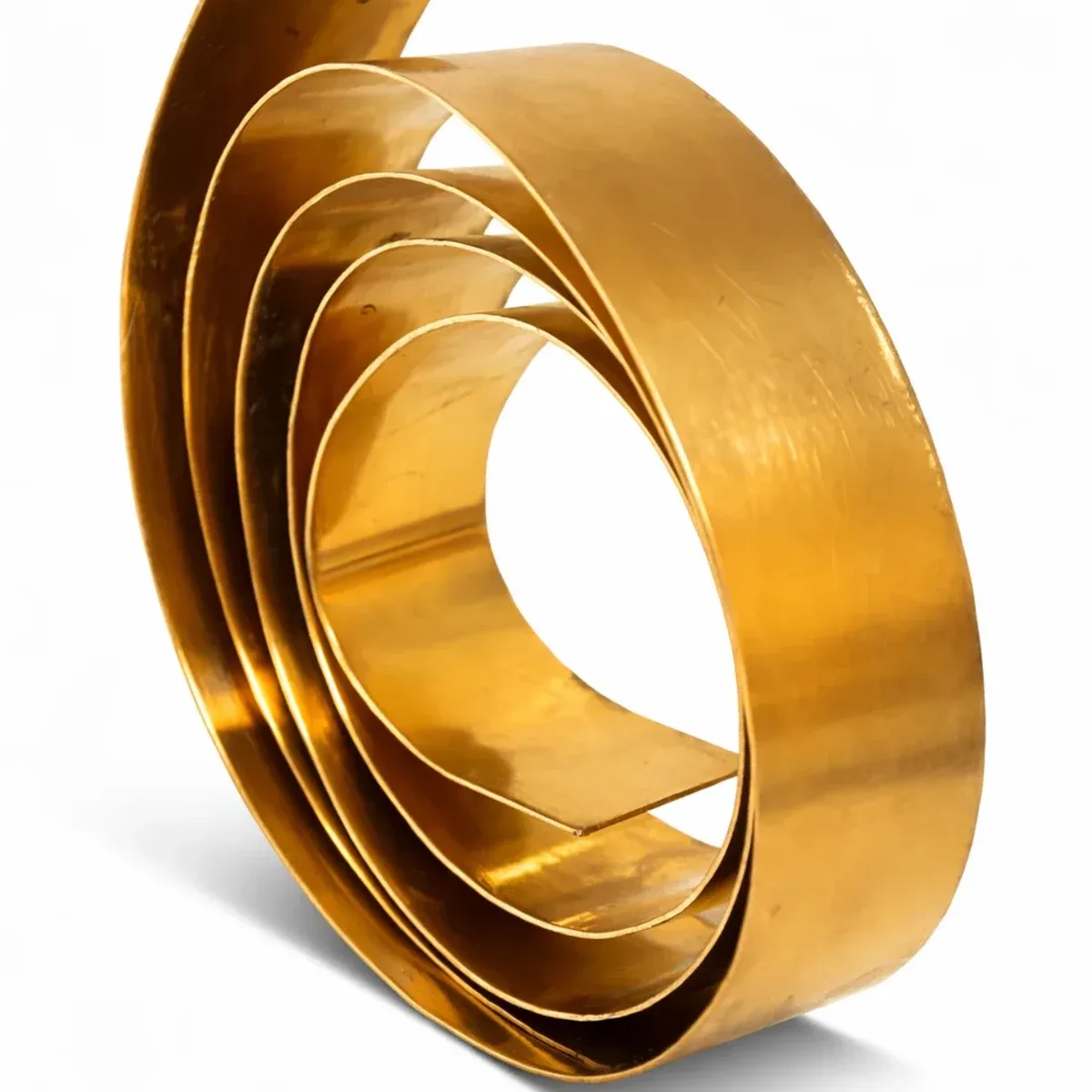
Yes — in fact, complex correction plans often combine rods, strips, and springs for different types of corrections in the same space. Rods handle line corrections, strips handle area coverage, and springs handle polarity correction points. Your correction map will specify which tools are needed where.

Order the Aluminum Rod 12mm/12inch

₹814.20 ₹1,286.20 37% OFF
💧 Water Zone • Aluminum • 12 mm × 12 Inch

Need a complete correction plan before ordering? Book a consultation →  |  Pair with: Metal StripsSprings

Related Suggestions

Practical Learning Guides

Customer Reviews

Rating 0 / 5 · 0 reviews

Please sign in to add a review.

Login with Google
No reviews yet.
Aluminum Rod 12mm/12inch
₹814.20
WhatsApp