
East Direction Vastu: Energy, Devta, Effects & Remedies
East Direction Vastu plays a vital role in health, growth, clarity, reputation, and new opportunities. The east direction is associated with the rising sun, symbolizing beginnings, energy, and life force.
In Vastu Shastra, the east direction controls how fresh energy enters a house, office, or land. A balanced east direction supports progress, confidence, recognition, and mental positivity.
📖 असली कहानी — Bhopal के Ramesh जी
"मेरी IT startup MP Nagar में थी — 3 साल पुराने founders, अच्छा product, पर investor pitches हमेशा reject हो जाती थीं। मेरा office desk West-facing था और सूरज की रोशनी मुझ तक पहुँचती ही नहीं थी। Vastu consultant ने कहा — 'आप creators हैं — आपको East का आशीर्वाद चाहिए'। Desk East-facing किया, Mahendra-devta booster और Indra Dev इदोल लगाया, सूर्य की पहली किरण मेरे कीबोर्ड पर पड़ने लगी। 90 दिन में Series A funding closed — ₹4.2 करोड़।"
— Ramesh Kumar, MP Nagar, Bhopal (Vastu consultation: मार्च 2024)
🪔 Bhagavad Gita का East-Rebirth सूत्र
श्रीमद्भगवद्गीता · अध्याय 4, श्लोक 7
यदा यदा हि धर्मस्य ग्लानिर्भवति भारत।
अभ्युत्थानमधर्मस्य तदात्मानं सृजाम्यहम् ॥
अनुवाद: "जब-जब धर्म की हानि और अधर्म की वृद्धि होती है, तब-तब मैं अपने स्वरूप को रचता हूँ।"
East का गहरा अर्थ: सूर्य पूर्व से उदय होते हैं — हर रोज़ नया "धर्म" का संस्थापन। East में बैठना = हर सुबह एक नया purpose, नया rebirth।
Meaning of East Direction in Vastu Shastra
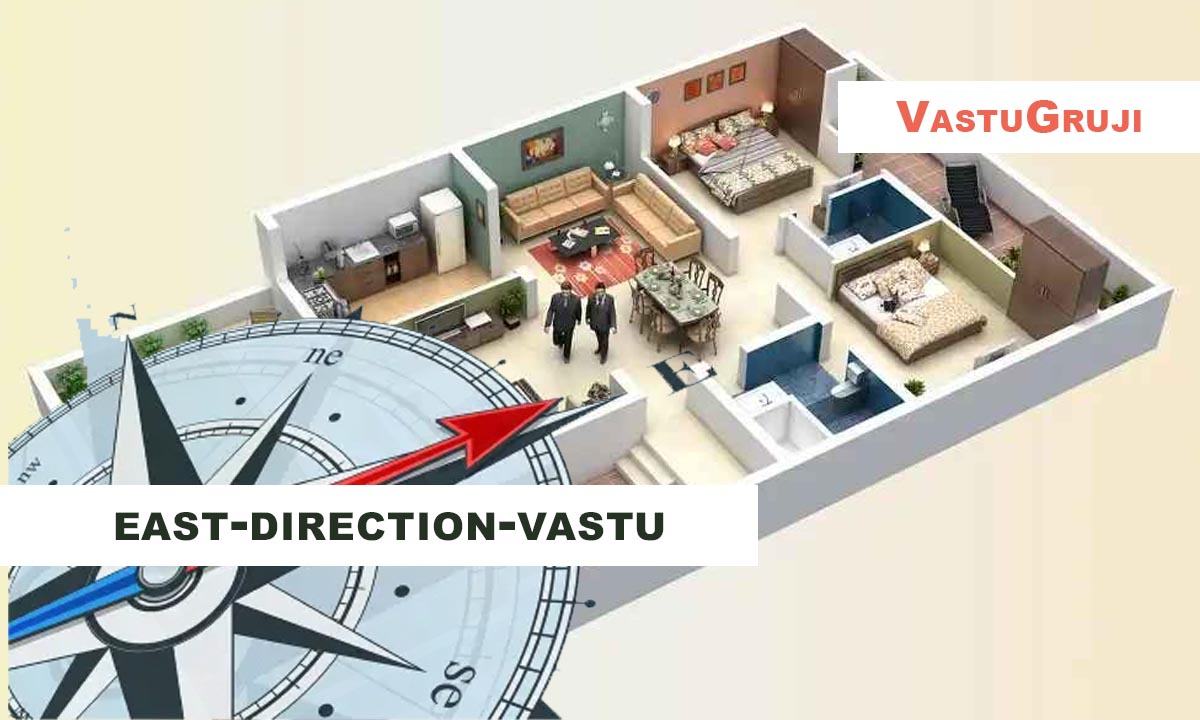
The east direction represents Surya Shakti (solar energy). Morning sunlight from the east purifies space, improves immunity, and stimulates decision-making ability.
When the east direction is open, clean, and active, it enhances:
- Physical health and vitality
- Mental clarity and focus
- Career growth and recognition
- Social respect and reputation
East Direction Devtas (Important)
According to Vastu Shastra, the east direction is governed by multiple Vastu Devtas, each controlling a specific energy zone. These Devtas influence different aspects of life.
The main Devtas of the East direction are:
- Indra Dev – Leadership, authority, confidence
- Surya Dev – Health, vitality, fame, clarity
- Aditya – Growth, enlightenment, positive action
- Jayant – Success, victory, forward movement
Each of these Devtas occupies a specific segment within the east zone. Later, we will create detailed pages explaining the role and remedies for each Devta individually.
For high-search East pada queries, see: E6 Satya & E7 Bhrisha Pada Effects Guide.
Benefits of a Balanced East Direction
When the east direction follows correct Vastu principles, residents experience natural growth without struggle.
- Good health and immunity
- Positive mindset and motivation
- Career opportunities and promotions
- Strong reputation in society
- Improved learning and creativity
This is why temples and meditation spaces traditionally face east.
Common East Direction Vastu Defects
Problems arise when the east direction is blocked, heavy, or misused. Some common defects include:
- Heavy storage or staircase in east
- Toilets or septic tanks in east
- Blocked sunlight or permanent shade
- Cut or extended plots in east
- Dark colors or clutter in east zone
Such defects often lead to health issues, low confidence, delayed success, and repeated obstacles.
East Direction Vastu Remedies (Without Demolition)
Most east direction defects can be corrected without demolition. Vastu focuses on energy correction, not destruction.
- Keep east side open and clutter-free
- Allow maximum morning sunlight
- Use light colors like white, cream, or light yellow
- Place plants or water elements carefully
- Correct activity placement based on Devta zone
For practical solutions, explore: Vastu Remedies Without Demolition
🎁 11 Premium East-Direction Remedies
Ramesh जी का exact East-activation package — 3 East-devta boosters + 7 idols/tatva + 1 Business mega-bundle:
1. 👑 Devta Field Booster (E4) Mahendra
East के king-devta (Indra-tier)। Authority + funding-pitch wins।
Mahendra Booster — ₹2,490 →2. ☀️ Devta Field Booster (E5) Surya
Direct sun-blessing। East-center पर — confidence + visibility।
Surya Booster — ₹2,490 →3. 🌅 Devta Field Booster (East) Arayama
"Noble relationships" devta — co-founder harmony + investor trust।
Arayama Booster — ₹2,490 →4. 🏛️ INDRA DEV 5.5″ Brass Idol
Physical idol — East wall। Leadership-tone। Ramesh जी के desk के बगल में।
INDRA DEV 5.5″ — ₹1,850 →5. 🐎 7 Running Horses Vastu Idol
Surya की 7 horses। East/SE wall — speed + breakthrough।
7 Running Horses — ₹2,299 →6. 🐘 Brass Ganesha Swastika Wall Hanging
East entry-door के ऊपर। Obstacle removal + new-venture success।
Brass Ganesha — ₹1,250 →7. 🌀 Brass Spring Clockwise Set
East door frame पर — clockwise = inward sun-energy flow।
Brass Spring CW — ₹1,090 →8. ⚙️ Copper Rod 12mm × 12 inch
Copper = sun-metal। East wall vertical placement।
Copper Rod 12mm — ₹967 →10. 🧭 Vastu Compass (Brass Lensatic)
East-direction exact reading + DIY placement।
Vastu Compass — ₹799 →11. 💎 Business Growth Mega Bundle
7 Devtas + 4 Idols + 2 Tatva Rods — पूरी office activate करने वाला ready combo। Savings ₹3,500+।
📦 Business Mega Bundle — ₹21,099 →East Direction Vastu for Home
In residential Vastu, east is ideal for:
- Main entrance (with correct alignment)
- Living room or study
- Windows and balconies
Avoid kitchens, toilets, or heavy bedrooms in the east unless proper corrections are applied.
East Direction Vastu for Business & Office
For offices and shops, the east direction supports:
- Brand growth and visibility
- Leadership and authority
- Client trust and reputation
Owner seating, reception, or brainstorming areas work best when aligned with east direction energy.
East Direction Vastu for Land & Plot
East-facing plots are considered highly auspicious when properly shaped. However, slope, cuts, road placement, and surroundings must be analyzed before purchase.
Learn more here: Land Vastu Guidance
Scientific Logic Behind East Direction
Morning sunlight contains infrared and ultraviolet rays beneficial for human health. Exposure to early sunlight improves sleep cycles, vitamin D synthesis, and mental alertness.
Ancient Vastu sages observed these effects long before modern science.
East works best when harmonized with:
- West Direction Vastu – stability
- South Direction Vastu – discipline
- North Direction Vastu – growth & vitality
Conclusion
East Direction Vastu is the foundation of growth, health, and clarity. When the east is aligned properly, life flows with less resistance and more opportunity.
Understanding east direction Devtas and their zones helps in making precise corrections instead of random remedies.
Need Personal East Direction Vastu Guidance?
📲 Book WhatsApp Consultation
About Vastuguruji (Rana Sikander)
Rana Sikander is a professional Vastu Shastra consultant with extensive experience in residential, commercial, and land Vastu.
Frequently Asked Questions
Which Devta rules the East direction in Vastu?
The east direction is governed by Devtas like Indra Dev, Surya Dev, Aditya, and Jayant.
Is east-facing house good according to Vastu?
Yes, east-facing houses are considered highly auspicious when designed correctly.
What problems occur if east direction is blocked?
Blocked east direction can cause health issues, lack of confidence, and delayed success.
What are E6 Satya and E7 Bhrisha padas in Vastu?
E6 Satya and E7 Bhrisha are East-side Vastu Purush Mandal padas used in zone interpretation and correction mapping.