VastuGuruji VastuGuruji

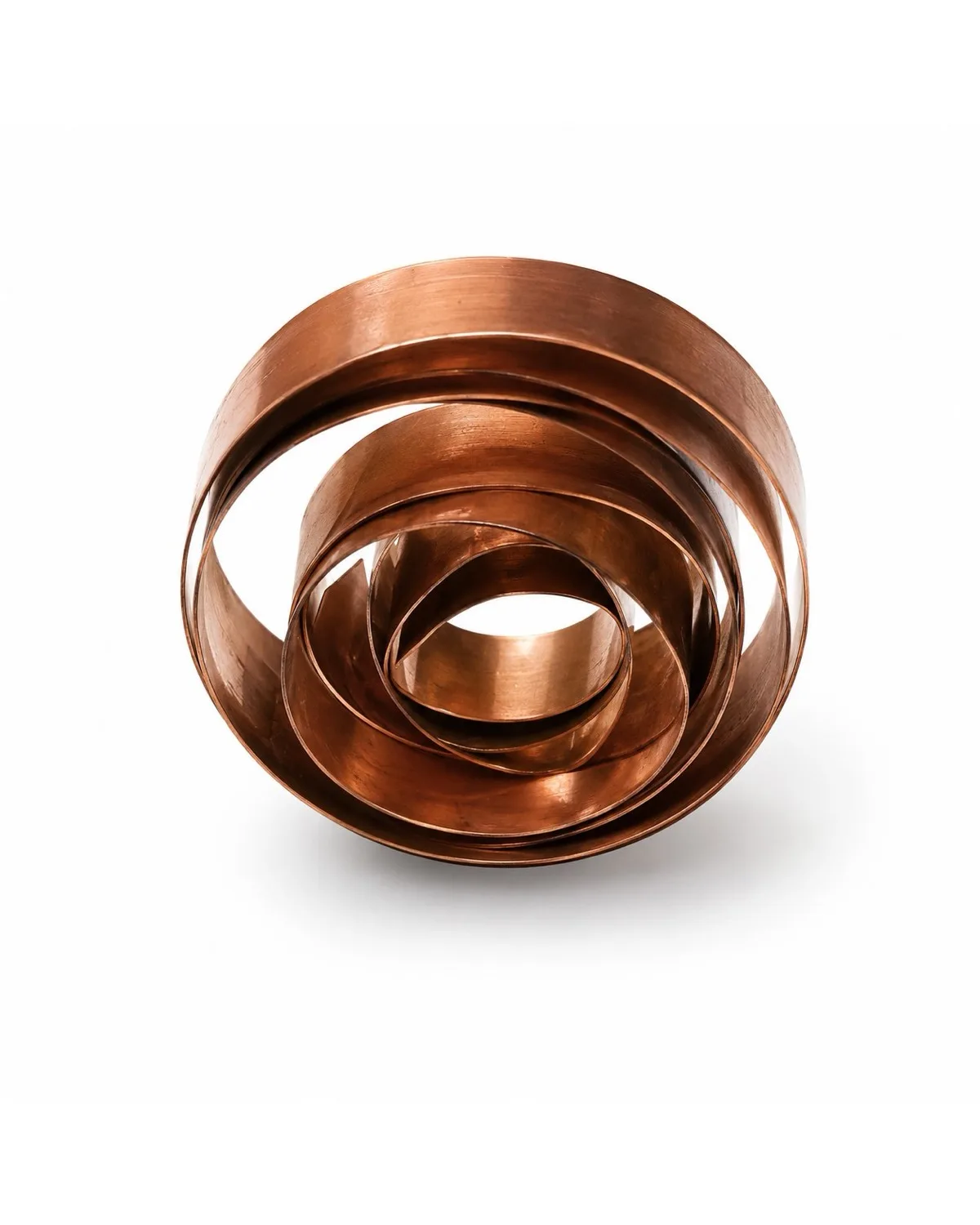
Green Metal Springs Anti Clockwise Set

A precision tool that shifts a zone's energy polarity — embedded beneath the floor, invisible, permanent.

Direction

Mapped non-demolition correction spring set for directional flow balancing in vastu-aligned workflows.

₹578.20 ₹1,650.82 65% OFF
Inclusive of all taxes
18 sets in stock — order before they run out

🔒 Secure checkout via Zwitch • Order confirmed by SMS

  • 100% Energised
  • Expert recommended
  • Safe packaging
  • Post-purchase support
The Science Behind The Spring

When Walls Can't Be Broken, Energy Still Can Be Changed

In traditional Vastu correction, structural changes were the primary realignment method. In modern built spaces — with existing floors, tiles, and infrastructure — demolition is rarely possible. Vastu springs provide a non-demolition alternative: directional polarity correction embedded directly into the zone, beneath the surface, invisible and permanent.

The coil direction creates a corrective field that influences energy flow within the zone. Clockwise coils activate and amplify. Anti-clockwise coils reverse and neutralize. This mirrors how energy naturally spirals in directional segments of a built space — working with the space, not against it.

🔴

The Problem

A specific zone in the property has imbalanced or blocked directional energy — causing stagnation, recurring resistance, or adverse patterns in the life area that zone governs.

🔵

The Mechanism

A spring selected by material, direction, and placement point is installed below the floor. The coil creates a corrective field, realigning the zone's polarity without any structural change.

The Result

Over 21–30 days the zone energy stabilizes. The space begins to support — rather than resist — the life area governed by that directional segment.

What You're Getting

One complete correction set — everything needed for a single correction point installation.

Material Metal
Direction ↺ Anti Clockwise Reverses & neutralizes zone energy
Coverage 1 Correction Point One set = one complete installation
Method Sub-floor Embedded Invisible, non-demolition correction

Clockwise vs Anti Clockwise — Which Do You Need?

The wrong direction at the correct point will not produce the intended result. Understand the difference before ordering.

Clockwise

Use when the zone needs:
  • Energy activation and strengthening
  • Amplifying a weak directional field
  • Supporting a positive but underperforming devta zone
  • Initiating momentum in a stagnant area of life
Example: Career/growth zone is underperforming. The devta field there is weak. Clockwise spring activates and strengthens that field.

Anti Clockwise

Use when the zone needs:
  • Energy reversal and polarity correction
  • Blocking or neutralizing negative field flow
  • Correcting a disturbed or adverse devta zone
  • Breaking a recurring negative pattern in a specific area of life
Example: A zone has accumulated energy working against the property. Anti-clockwise spring reverses that polarity and neutralizes the adverse field.
Your current selection

⚠ If you are unsure which direction your correction requires, book a consultation before ordering. Installing the wrong direction will not produce the intended correction — and in some cases may require removal and reinstallation.

Step-by-Step Installation Guide

Follow each step precisely. Accuracy in location identification and installation process determines the effectiveness of the correction.

⚠️
CRITICAL — Never Install on a Marma Point

Marma points are structurally and energetically sensitive intersections in the layout grid. Installing a spring on a Marma point can cause adverse effects rather than corrections. Always verify your chosen correction point is not a Marma point with a qualified Vastu practitioner before drilling.

Tools needed: Masonry drill + 3″ bit Marker / chalk White cement Matching pigment (if needed) Zone layout map

Locate the Correction Point

Use a 16-zone gridded layout map or Devta layout map to identify the exact correction zone. Confirm the point is NOT on a Marma point — a structurally and energetically sensitive intersection where spring installation is prohibited.

Mark with Precision

Mark the selected location clearly with a marker or chalk. Accuracy here directly determines the correction effectiveness. Cross-check against your layout map before moving forward.

Drill the Hole

Using a masonry drill bit, drill a hole approximately 3 inches (7–8 cm) deep at the marked spot. Keep the drill perpendicular to the surface. A clean, straight vertical channel ensures the spring sits correctly.

Verify Spring Polarity

Before inserting, verify the polarity by moving your finger along the coil from bottom to top. If the spiral moves clockwise → Clockwise spring. If anti-clockwise → Anti Clockwise spring. Confirm this matches your correction prescription.

Insert the Spring Set

Place the complete spring set vertically inside the hole, narrow end first. Ensure it is fully seated — flush or slightly below the surface. Do not force, bend, or compress the spring during insertion.

Seal with White Cement

Mix white cement to a smooth paste. Fill the hole completely over the spring. Add pigment if needed to match the existing tile or floor color. Smooth the surface flush with the surroundings for an invisible finish.

Allow 12 Hours to Set — Do Not Disturb

Keep the area dry and undisturbed for at least 12 hours while the cement sets. After setting, clean the surface thoroughly. The correction is now permanently active in the zone.

After installation: The correction field begins forming immediately. Allow 21–30 days for the zone energy to fully stabilize and reflect in the life areas it governs. Do not move or remove the spring once sealed.

Which Material Is Right for Your Zone?

Each material has specific properties that make it more effective for different zone types and correction scenarios.

Aluminum

Lightweight & Economical

Best for: Supplementary correction points, upper-floor zones, multi-point correction grids.

Good conductivity. Most cost-effective option for widespread installations.

Switch to Aluminum →

Brass

Premium Conductivity

Best for: Main axis correction points, high-priority devta zones, primary correction sites.

Best conductivity-to-durability balance. Most commonly recommended by practitioners.

Switch to Brass →
🛡

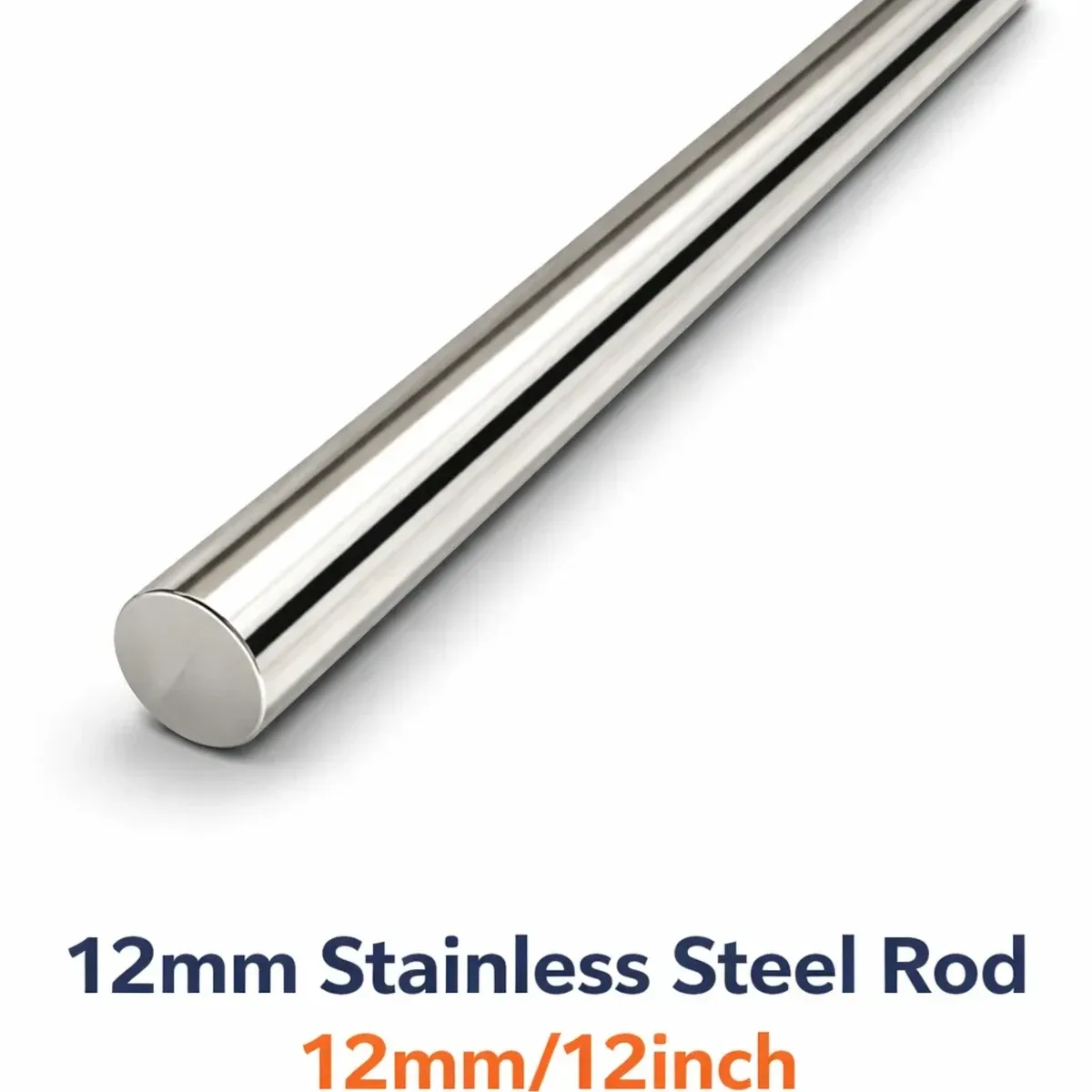
Stainless Steel

Corrosion Resistant

Best for: Damp areas, bathrooms, kitchens, underground floors, humid and coastal climates.

Maintains polarity integrity in moisture-prone zones. Long-lasting, low maintenance.

Switch to Stainless Steel →
🌍

Iron

Earth Grounding

Best for: Earth-zone corrections, Prithvi element zones, heavy-energy grounding points.

Traditional material for earth polarity anchoring used in classical vastu workflows.

Switch to Iron →

Expert Guidance — Read Before Installing

Vastu springs are precision correction tools — not general wellness products. They produce specific directional results when used as part of a mapped correction workflow. Without a proper zone analysis and layout map, results will be limited and occasionally unintended.

✅ Recommended practice

  • Get a zone map and correction prescription from a qualified Vastu practitioner first
  • Confirm the correction point is not a Marma point before drilling
  • Use the exact material and direction specified in your prescription
  • Allow 21–30 days for the zone to stabilize after installation
  • Keep an observation log before and after correction for tracking

❌ What to avoid

  • Installing without a zone map or practitioner guidance
  • Placing springs at points "where it feels blocked" without analysis
  • Using wrong direction (CW vs ACW) for the zone
  • Installing on Marma points under any circumstance
  • Removing or relocating a sealed spring within 30 days of installation

Not sure if springs are the right tool for your situation? Book a Vastu consultation for a complete zone analysis and correction plan.

Frequently Asked Questions

What exactly is a Vastu spring and what does it do?

A Vastu spring is a precision-coiled metal spring installed beneath the floor surface to change the directional energy polarity of a specific zone. The coil direction — clockwise or anti-clockwise — determines whether the correction activates or reverses the zone's energy. It is a non-demolition, invisible correction tool used in mapped Vastu workflows.

How do I know whether to use Clockwise or Anti Clockwise?

This is determined by your Vastu analysis. Clockwise springs activate and amplify a zone's energy — used when a zone is weak or underperforming. Anti-Clockwise springs reverse and neutralize — used when a zone has disturbed or negative polarity. Your practitioner's correction prescription will specify this. If unsure, consult before ordering.

Which material should I choose — Brass, Aluminum, Stainless Steel, or Iron?

Brass is the most commonly used and recommended for primary correction points. Aluminum is economical and works well for supplementary points. Stainless Steel is best for damp or humid zones. Iron is used for earth-element grounding corrections. Your practitioner may specify a material, or you can choose based on zone type using the material guide above.

Can I install this myself or do I need a professional?

The drilling and sealing process is straightforward for anyone comfortable with basic masonry work. However, correctly identifying the correction point on a zone map requires Vastu knowledge. We recommend having a practitioner mark the correction point first — then the physical installation (drill, insert, seal) can be done by any mason or handyman following these steps.

How many springs are in one set?

Each set is a complete spring assembly designed for one correction point. One set = one installation point. If your correction plan involves multiple points, order the corresponding number of sets.

My floor is already tiled. Can the spring still be installed?

Yes. A mason can carefully drill through existing tile at the marked point. After insertion and sealing with white cement, matching tile pigment or grout color minimizes visibility. The correction remains fully effective regardless of the floor surface above it.

Are there zones where springs should never be installed?

Yes — critically. Springs must never be placed on Marma points. Marma points are sensitive structural-energetic intersections in the layout grid where corrections can produce adverse effects instead of benefits. Always have a qualified practitioner confirm your chosen point is not a Marma point before drilling.

Order the Green Metal Springs Anti Clockwise Set

₹578.20 ₹1,650.82 65% OFF
  • 100% Energised
  • Expert recommended
  • Safe packaging
  • Post-purchase support

Related Suggestions

Practical Learning Guides

Customer Reviews

Rating 0 / 5 · 0 reviews

Please sign in to add a review.

Login with Google
No reviews yet.
Green Metal Springs Anti Clockwise Set
₹578.20
WhatsApp