
Vastu Map Planning for Home: Entry, Zones and Layout Blueprint
Vastu map planning helps you decide entry position, room zoning, movement flow, and layout balance before execution begins. This pillar guide shows how to plan a house or project map in the right sequence.
When project effort is high but progress feels unstable, the issue is often planning alignment. A strong map does not only show dimensions. It shows where entry should be, how movement should flow, which zones should carry weight, and where key activities must be placed for practical day-to-day stability.
30-day protocol PDF - free download
Enter your email and get the guided template instantly.
This guide is built for normal users as well as project owners who want a structured starting point before spending on execution.
What Is Vastu Map Planning?
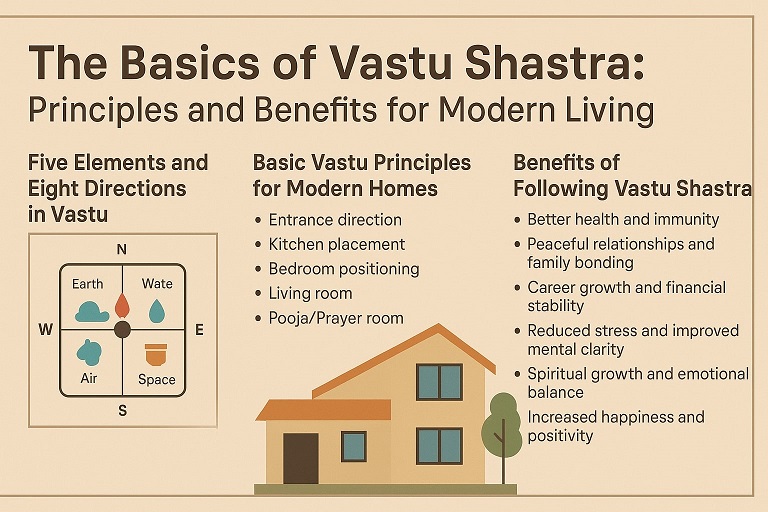
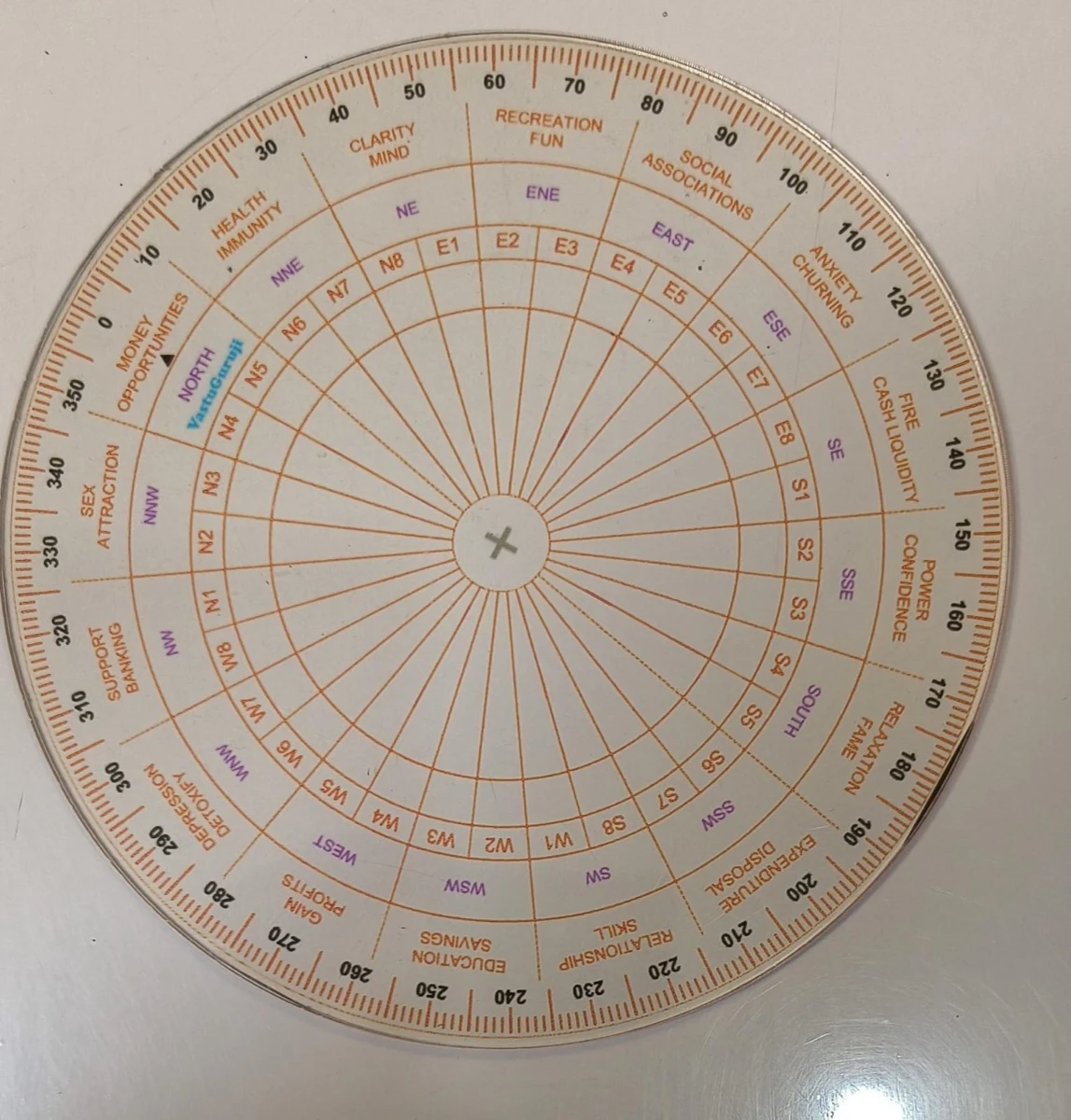
Vastu map planning combines directional layout with actual usage. It is not limited to one room or one remedy. It creates a sequence:
- Plot and road context mapping
- Entry suitability and circulation line
- Functional zone allocation (living, work, storage, service)
- Heavy-light balance and stability points
- Phased correction order for existing properties
How to Plan Entry and Direction First
Entry is the first decision node of any property. A strong entry plan improves circulation, activity flow, and space response. In homes, this impacts routine ease and emotional consistency. In business spaces, it influences movement clarity, reception quality, and operational rhythm.
Entry review checklist:
- Road pressure and approach direction
- Visibility and obstruction at threshold
- Immediate interior usage after entry
- Conflict with utility or clutter zones
How to Divide a House by Zones
After entry, the next step is zone planning. Divide the map by stability, movement, utility, lightness, and daily-use priorities so rooms are assigned by function instead of convenience.
- keep stable and heavier activities in supportive zones
- protect movement routes from clutter and service conflicts
- separate calm spaces, work spaces, and high-activity zones clearly
- review the whole map before applying any correction product
Nakshatra and Personal Alignment (Advanced Layer)
Base map planning can be done without birth details. But where repetitive patterns continue, a personal layer can be added. Birth details help evaluate directional comfort and decision-supportive zones based on individual tendencies.
This does not replace structural logic. It refines it. Think of it as the difference between a generic layout and a personally tuned layout.
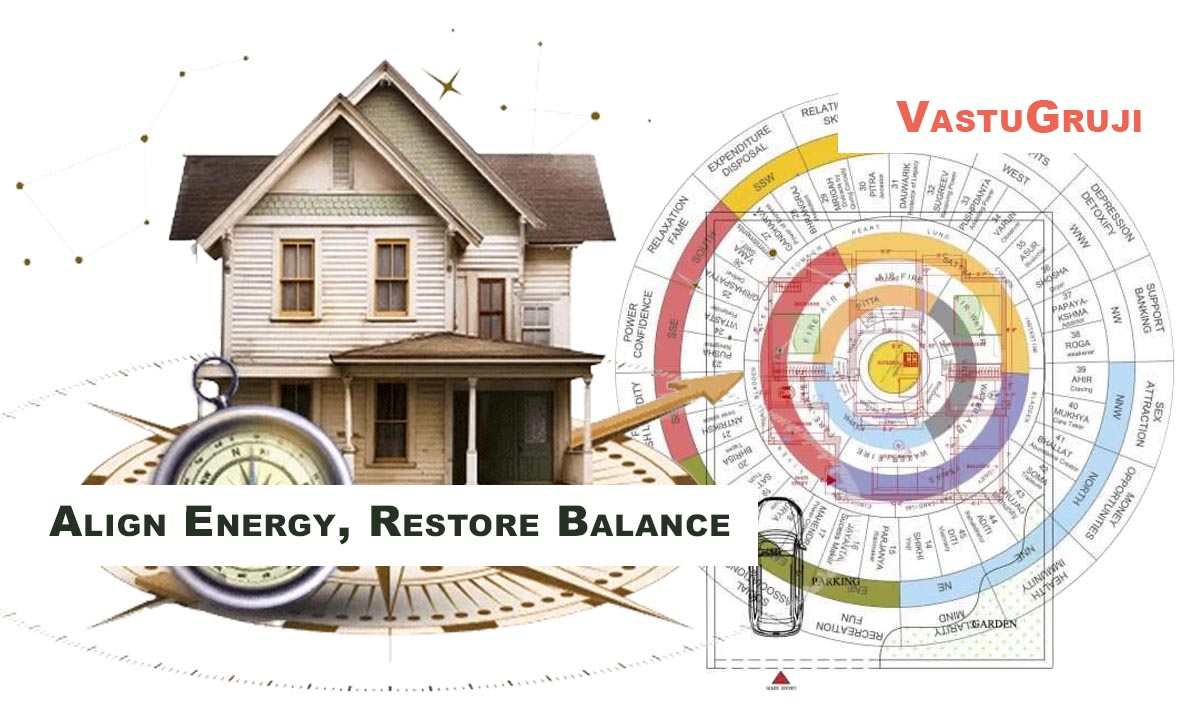
Room Placement and Layout Priorities
Home
Focus on entry, sleeping stability zones, kitchen-fire logic, and calm movement paths.
Shop / Commercial Unit
Focus on customer movement, owner decision point, billing visibility, and stock-flow clarity.
Factory / Industrial Unit
Focus on material in-out routes, machine zoning, supervision points, and risk-control circulation.
Map Planning for Existing House vs New Project
Existing houses usually need correction sequencing first, while new projects need layout decisions before money is locked into execution. The planning method is related, but the order of action is different.
- Existing house: diagnose entry, room use, blocked zones, and correction sequence.
- New project: decide entry, room placement, zone weight, and movement logic before construction starts.
Common Mistakes That Increase Future Cost
- Finalizing entry only by convenience, without directional context
- Starting construction before room-use sequence is defined
- Mixing service and decision zones without movement logic
- Applying remedies first, without map-level diagnosis

What to Keep Ready Before Consultation
Related Vastu Planning Resources
- Vastu Purusha Mandala Map
- Vastu Shastra Home Guide
- Non-Demolition Vastu Correction Sequence
- 45 Devta Knowledge Hub
Need Structured Map Planning Support?
Get a practical plan with entry logic, directional zoning and correction sequence matched to your current project stage.
Final Professional Checklist
Tick each point while reviewing a kundli so you do not skip core validation.
Final Takeaway
Strong outcomes come from right sequence, not random changes. Start with map clarity, then execute in order. A clear Vastu map plan protects both effort and investment.




Comments & Ratings
Login to leave a comment or rating.