
Aapa (M.K.D Ekpadik): Himavaan — Right-Hand Support of Bhudhar in the North
Meaning, psychological influence, and Vastu remedies for Aapa in the North-East zone of Vastu Purusha Mandala.
Start from the center, then move to the active direction and its supporter chain.
See the 45 Devta system before you read
Use the map to move through center, directions, and supporter layers.Start with mapped remedies first
Use the zone-wise remedy sequence before advanced intervention.
The Cooling Flow and the Right-Hand Support of Bhudhar in the Northern Mandala
As we complete the Northern structural triad of the 45 Devta Mandala, we now arrive at Aapa (Himavaan) — a precise, cooling, source-like force that nourishes stable expansion.
If:
- Bhudhar represents mountain-like stability and grounded prosperity,
- Papayaksha prevents silent decay,
- Then Aapa (Himavaan) represents pure source energy sustaining growth.
1. Meaning of Aapa

Aapa in Vedic symbolism refers to waters, cosmic fluidity, and life-sustaining flow. In Vastu, water links strongly with prosperity movement, opportunity, and emotional current.
2. Meaning of Himavaan
Himavaan means the snowy one — Himalayan source, purity, cooling strength, and majestic endurance.
Unlike surface flow, this is source-level purity before outward movement begins.
3. Positional Significance: Facing North
Aapa is described as Bhudhar’s right-hand support. Facing North, the right side is East.
So Aapa occupies the North-East transition relative to Bhudhar, linking prosperity (North) with purity and spiritual clarity (North-East).
4. Relationship with Bhudhar
Bhudhar governs structural stability and sustainable prosperity. Aapa supports Bhudhar by adding clean resource flow and cooling overheated ambition.
- Nourishes growth without greed spikes
- Improves clarity in resource use
- Supports ethical and stable expansion
If Bhudhar is the mountain structure, Aapa is the glacier source feeding it.
5. Ekpadik Influence
As M.K.D Ekpadik, Aapa’s influence is subtle but precise. It activates purity points rather than broad dramatic shifts.
6. Psychological Influence
Aapa influences emotional cooling, financial calmness, and intention purity.
- Disturbed: money anxiety, impulsive decisions, greed pressure
- Balanced: steady prosperity behavior, ethical growth, calm expansion
7. Architectural Interpretation (North-East of North)
This zone should remain clean, open, and uncluttered.
Recommended
- Natural light and hygiene
- Calm spatial design
- Healthy ventilation and drainage
- Unblocked energy path
Avoid
- Heavy storage blockage
- Heat-dominant setup
- Damp and stagnant corners
- Toilet/dirty utility dominance where avoidable
8. Elemental Understanding
Aapa combines water with Bhudhar’s grounding Earth principle. Too much water destabilizes; too much heaviness blocks movement.
Balance yields pure and sustainable prosperity.
9. Signs of Disturbed Aapa Energy
- Financial stress despite income
- Blocked opportunities
- Emotional overheating around money decisions
- Poor savings rhythm
- Prosperity without peace
10. Colour and Design Support
Light blue, soft white, pale green, cream, and gentle natural textures support Aapa alignment.
Avoid excessive dark heaviness, intense red, and harsh black dominance.
11. Aapa in Modern Homes
In apartments, North-East often gets blocked by heavy storage or utility load. First corrections: declutter, improve lighting, enhance airflow, and fix moisture/drainage issues.
12. Spiritual Practice
Practice morning North-East meditation and chant: Om Aapah Shuddhaye Namah.
Visualize cool white Himalayan light descending into the space and mind.
13. Relationship with Papayaksha
The Northern triad can be read as:
- Bhudhar = Structural stability
- Papayaksha = Decay control
- Aapa = Pure nourishment flow
Together they maintain stable, protected, and purified growth.
14. Deeper Interpretation
Himavaan symbolizes elevated stillness, strength without aggression, and source-level purity.
It teaches that sustainable prosperity begins with a clean source.
15. Integration Within the 45 Devta System
In sequence: Brahma (origin), Bhudhar (northern stability), Aapa (north-eastern purity-flow).
This turns expansion into sustainable prosperity instead of unstable accumulation.
Related Remedies for Aapa Purity and Prosperity Flow
Use these for North-NorthEast diagnostics and correction:

ADVANCE Devta Field Booster Aapahavatsa (N.E)

Copper Metal Strip 96" × 0.5" × 0.5mm (8 Feet)
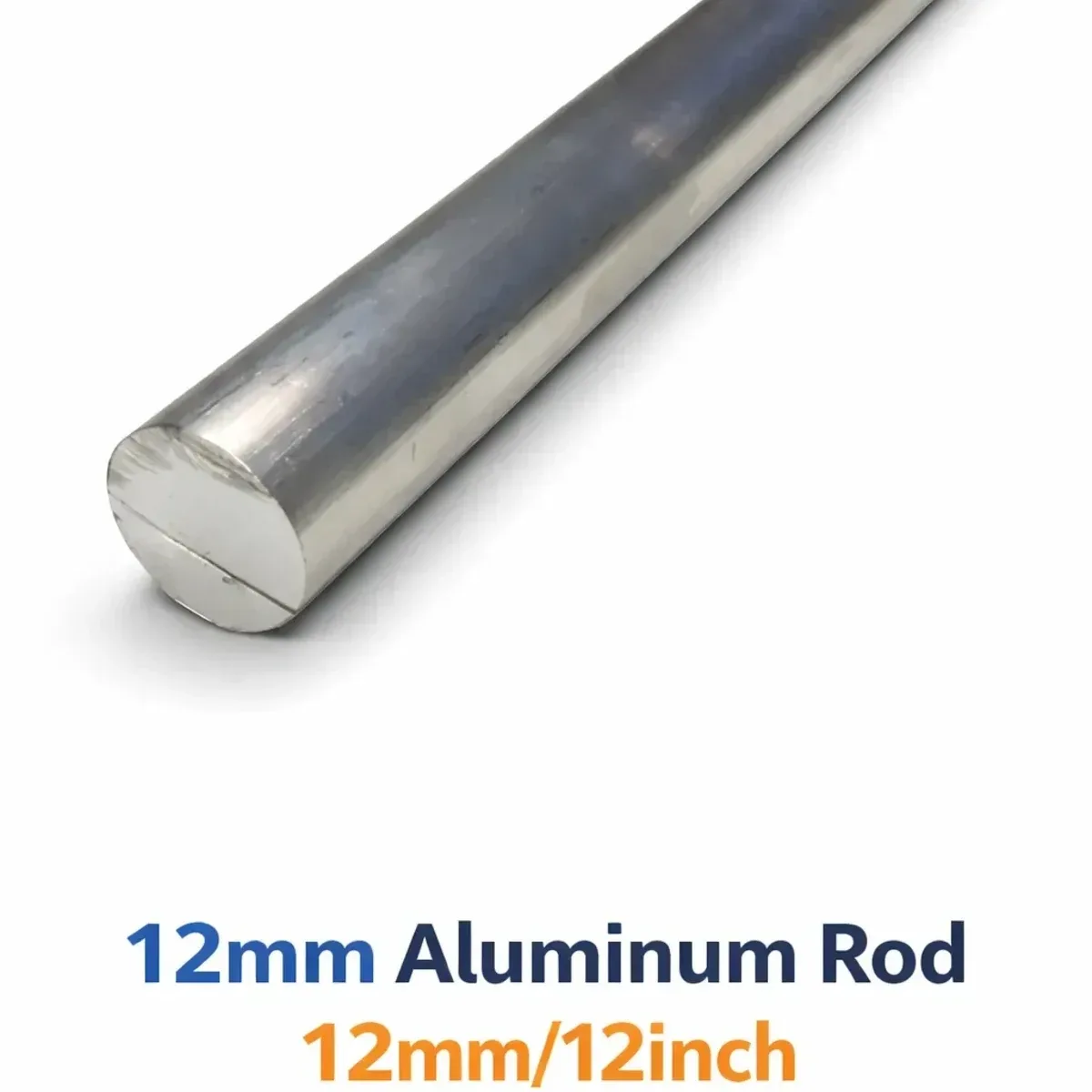
Aluminum Rod 12mm/12inch

Veer Hanuman Idol (3.25 KG Premium Protection Vastu Murti - 9 Inch)
Priority Devta Bundle Offer
Total individual value: ₹9,089.00
Today's bundle amount: ₹8,180.10
You save ₹908.90 on this 4-item pack.
Offer locked for this network for 24 hours (until 08 Oct 2026, 06:15 AM).Is prosperity rising but peace still unstable?
Get an Aapa-focused North-East diagnosis to purify source flow and stabilize growth.
Conclusion
Aapa (M.K.D Ekpadik), associated with Himavaan and positioned as Bhudhar’s right-hand support when facing North, represents pure source-energy for sustainable prosperity.
Honor the source, keep the North-East clear, and let growth remain cool, ethical, and enduring.
Reader Questions (Approved)
No approved questions yet for this Devta. Ask the first question below.
Common Questions About This Devta
- Why is this direction important in Vastu?
- What are common signs of Aapa imbalance?
- Which correction sequence is usually recommended first?
Ask a Question About This Devta
Readers get better answers when the question is specific. Use one of these quick prompts:
Devta Relationship Map
Cluster: North-East Cluster
Birth, duality, purification, nourishment, and illumination
Energy Flow Sequence
Same Cluster Links
Opposite Balance Axis
Indra South-WestIs Your Zone Energy Disturbed?
Check Aapa imbalance in 30 seconds. Select signals below to see correction priority.
Cluster recommendation: North-East Purification Package
No mapped remedies yet for this score. Move to consultation for a direct correction protocol.
Supporting Devtas of Aapa
These two supporters complete this directional cluster and should be studied with the main node together.
Read parent: Bhudhar

Need a personalized Devta-zone correction plan for your property?
Comments & Ratings
Login to leave a comment or rating.