Vastu Shastra and Republic Day: Ancient Indian Wisdom for Balanced Living
Every year on 26 January, India celebrates Republic Day — a day that represents balance, equality, discipline, and collective well-being. It is a reminder of India’s deep-rooted values and its vision for a harmonious society.

Interestingly, these very principles are also reflected in one of India’s most ancient sciences — Vastu Shastra. Just as the Constitution guides the nation toward order and harmony, Vastu Shastra guides living spaces toward balance, stability, and prosperity.
What Is Vastu Shastra?
Vastu Shastra is an ancient Indian science of architecture and space planning. It explains how natural forces — sunlight, wind, gravity, and earth’s magnetic field — interact with human life through built environments.
Developed thousands of years ago, Vastu is not superstition. It is a systematic understanding of how space influences human health, thoughts, productivity, and emotional balance.
On Republic Day, when we honor India’s intellectual and cultural heritage, Vastu Shastra stands as a timeless example of India’s scientific wisdom.
Importance of Vastu in Modern Life
Modern homes and offices may look different from ancient dwellings, but the laws of nature remain unchanged. That is why Vastu Shastra remains relevant even today.
- In homes, Vastu supports peace, health, and family harmony
- In offices, it improves focus, productivity, and decision-making
- In businesses, it supports stability and growth
Just as the Constitution brings order to society, Vastu brings order to personal and professional spaces.
The Five Elements (Pancha Mahabhutas)
At the heart of Vastu Shastra are the Pancha Mahabhutas, or the five elements that make up the universe:
- Earth (Prithvi): Stability, strength, support
- Water (Jal): Flow, emotions, prosperity
- Fire (Agni): Energy, action, digestion
- Air (Vayu): Movement, communication, freshness
- Space (Akash): Expansion, clarity, consciousness
A balanced home maintains harmony among these elements. An imbalance often reflects as stress, health issues, or stagnation in life.
Direction-Wise Significance in Vastu
Vastu Shastra places strong emphasis on directions, each representing a specific type of energy.
- East: Health, vitality, new beginnings
- West: Stability, maturity, results
- North: Wealth, opportunities, growth
- South: Control, discipline, strength
North-East (Ishanya)
The North-East zone is associated with clarity, wisdom, and spirituality. It should always remain light, clean, and open.
South-West (Nairutya)
The South-West represents stability and grounding. It should be heavier and well-structured to support leadership and confidence.
This balance of openness and stability mirrors the constitutional balance between freedom and responsibility.
Practical Vastu Tips for Home
Entrance and Main Door
- Keep the entrance clean and well-lit
- Avoid clutter, broken doors, or damaged nameplates
- The door should open smoothly
Bedroom and Sleep Direction
- Sleep with head towards South or East
- Avoid mirrors facing the bed
- Use calm, earthy colors
Kitchen Placement
- Best direction: South-East
- Avoid kitchens in North or North-East
- Do not cook while facing South
Living Room Layout
- Keep it open and clutter-free
- Allow natural light and airflow
Pooja Room
- Best location: North-East
- Face East or North while praying
Common Vastu Mistakes & Simple Remedies
Many Vastu problems arise from everyday habits:
- Cluttered North or North-East
- Leaking taps (symbolic of wealth loss)
- Blocked windows reducing sunlight
Most of these can be corrected without demolition by simple rearrangement, cleanliness, and awareness.
Benefits of Following Vastu Shastra
- Improved mental peace
- Better health and sleep
- Stable finances
- Harmonious relationships
Vastu encourages disciplined and balanced living — values that resonate strongly with the ideals of the Indian Constitution.
Conclusion: Honoring Ancient Wisdom on Republic Day
Republic Day is not only about remembering the past, but also about shaping a balanced future.
By adopting Vastu Shastra, we honor India’s ancient knowledge while creating spaces that support clarity, growth, and harmony.
This 26 January, let us celebrate freedom, balance, and responsibility — not only as citizens, but also in the spaces we live and work in.
Avoid guesswork and align your space correctly. Book a Professional Vastu Consultation
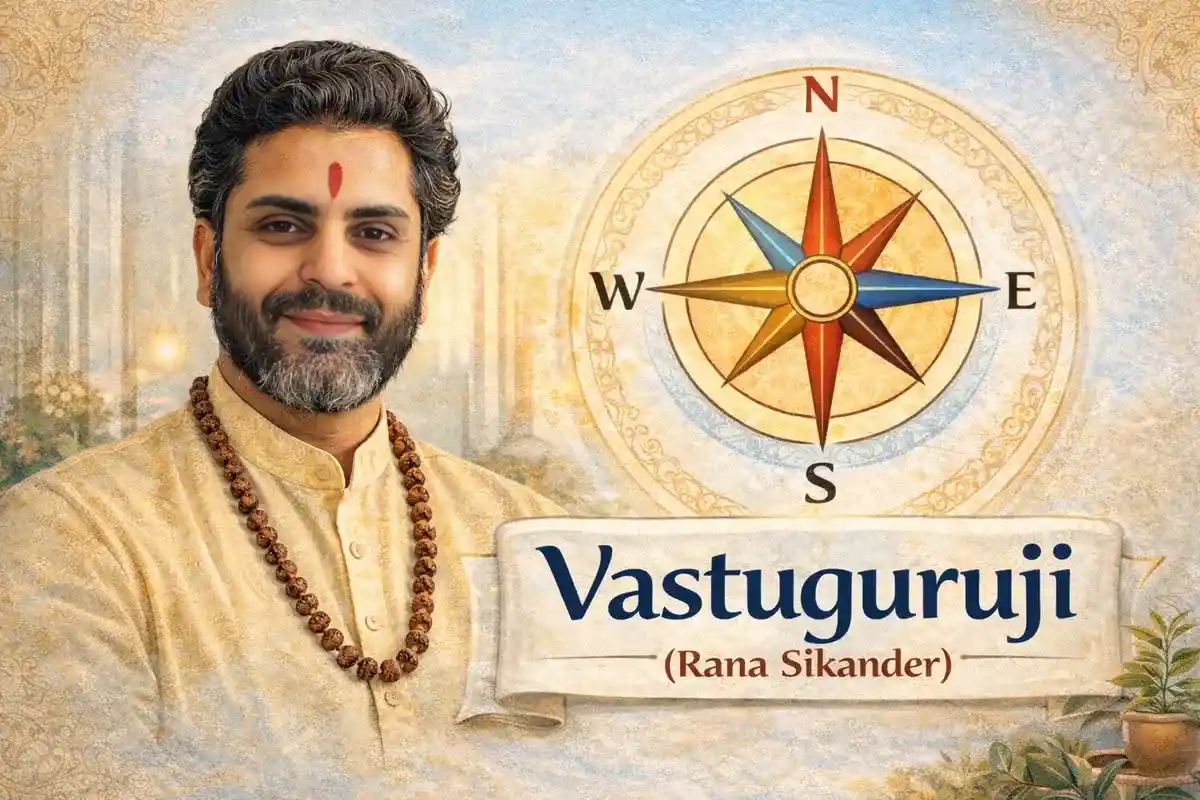
About Vastuguruji (Rana Sikander)
Rana Sikander is a professional Vastu Shastra consultant known for practical, scientific, and energy-based Vastu solutions for residential, commercial, land, and business projects.
Book a Vastu Consultation with Vastuguruji
Frequently Asked Questions
What is the connection between Vastu Shastra and Republic Day?
Both represent balance, discipline, and harmony—Vastu for living spaces and the Constitution for society.
Is Vastu Shastra relevant in modern homes?
Yes, Vastu principles apply to apartments, offices, and contemporary buildings.
Does Vastu require demolition?
Most Vastu corrections can be done without demolition.
Can Vastu improve productivity and peace?
Yes, balanced spaces support mental clarity, health, and efficiency.